Investment Calculator: How to Use One, What It Shows, and What It Cannot Tell You

How much could regular saving grow over ten, twenty or thirty years? Would a larger monthly amount make a meaningful difference, or would starting a few years earlier matter more? An investment calculator answers questions like these in seconds, turning a handful of inputs into a projection of how money might grow over time. Used well, it is one of the most useful planning tools available to an everyday saver.
Used carelessly, though, it can mislead. A calculator’s output depends entirely on the assumptions fed into it, and small changes in those assumptions compound into very different results over long periods. This guide explains how an investment calculator works, which inputs matter most, how to read the results honestly, and what a calculator cannot tell you.
Disclaimer: this article is general information only and is not personal financial advice. Investment values can fall as well as rise, and past performance is not a guide to future returns. For advice tailored to your circumstances, speak to a qualified financial adviser.
How an Investment Calculator Works
At its heart, an investment calculator applies compound growth maths to your inputs. You enter a starting amount, a regular contribution, an assumed annual growth rate, and a time period. The calculator then works out, year by year, how the balance grows as returns are added to the balance and then themselves earn returns in later years. That compounding effect is why time matters so much: money invested earlier has more years for its returns to generate further returns.
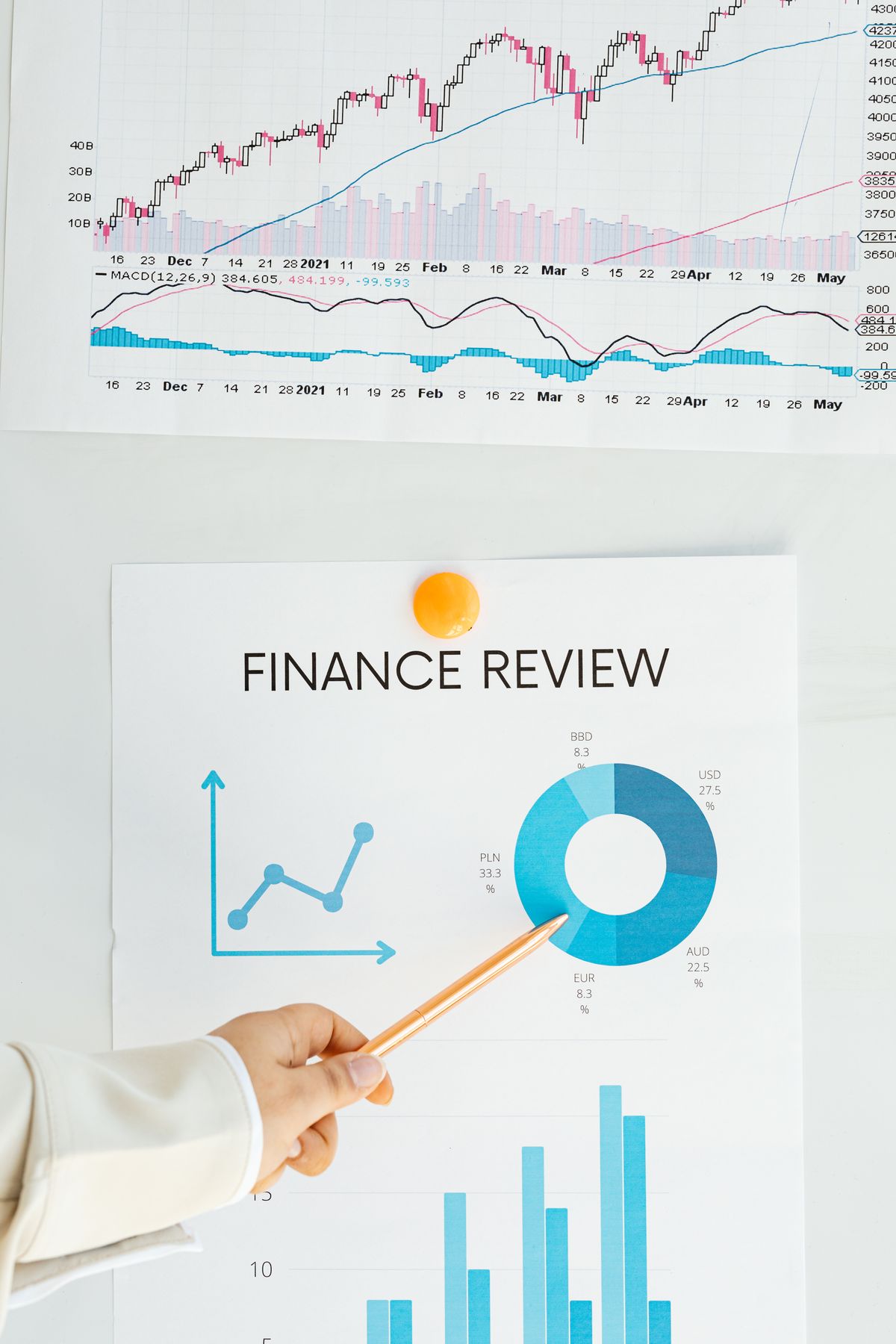
Most calculators show the result as a chart, a table, or both. A chart makes the shape of growth visible: slow at first, then steeper as compounding builds. A table shows the year-by-year balance, which helps you see when milestones might be reached. Some calculators also split the final figure into your own contributions and the growth earned on them, which is a revealing comparison, because over long periods the growth portion often becomes the larger share.
More detailed calculators add extra inputs, such as inflation, fees, or tax. These matter, because a projection that ignores inflation overstates what the final sum will actually buy, and a projection that ignores fees overstates the return you keep. A calculator that lets you adjust for both gives a more honest picture than one that shows only a headline growth figure.

The Inputs That Matter Most
The starting amount sets the base, but for most regular savers the monthly contribution matters more over time. A modest monthly amount, sustained for decades, usually outweighs a larger one-off sum that is never added to, because each contribution starts its own compounding journey. If you can only afford a small amount now, starting anyway and increasing it later is usually better than waiting until you can afford a larger amount.
Time is the most powerful input of all. Starting earlier, even with smaller amounts, often beats starting later with larger amounts, because compounding needs years to work. This is why calculators that let you compare starting now versus starting in five years are so eye-opening: the gap is usually far larger than people expect, and it grows with every year of delay.
The assumed growth rate is the input to treat with the most caution. It is a guess about the future, not a promise. A higher assumed rate produces a dramatically larger projection over long periods, which can make any plan look affordable on paper. Use conservative assumptions, test a range of rates rather than a single optimistic one, and remember that real investments fluctuate year to year rather than growing smoothly, even if the long-term average resembles the assumption.
Fees, inflation and tax are the quiet reducers of real returns. A small annual fee, compounded over decades, takes a noticeable share of the final sum. Inflation erodes purchasing power, so a sum that looks large in future money may buy far less than it appears. Tax treatment depends on the account type and your circumstances, and it can change over time. A calculator that ignores all three is showing a best-case illustration, not a forecast.

Reading the Results Honestly
Treat every calculator result as a scenario, not a prediction. Run the same plan at a lower growth rate, a higher fee level, and with inflation applied, and compare the spread of outcomes. If your plan only works at the most optimistic setting, it is fragile. If it works across a range of settings, it is robust, and that robustness matters more than any single headline figure.
Pay attention to what the calculator does not show. It does not show market falls, job changes, emergencies that force withdrawals, or years when you cannot contribute. Real investing includes all of these, which is why an emergency fund and a flexible plan matter alongside any projection. A calculator helps you set a direction; it does not remove uncertainty from the journey.
Use the calculator to compare choices, not to chase a number. Compare starting now versus later, a higher monthly amount versus a longer time horizon, or the effect of fees between two account types. These comparisons are where a calculator earns its keep, because they turn vague intentions into concrete trade-offs you can actually decide between.
Lump sums deserve the same honest treatment. If you receive an unexpected sum, a calculator can show how investing part of it, versus spending it or holding it as cash, changes the long-term picture. Our guide to ideas for what to do with a large sum of money covers the wider trade-offs involved, from emergency reserves to debt repayment, before any investment decision is made.
Common Uses for an Investment Calculator
Retirement planning is the most common use. By entering a target retirement age, a current balance and a monthly amount, you can see whether your trajectory points roughly towards the lifestyle you hope for, and what change, in amount or timing, would close any gap. The calculator will not tell you exactly what you need, but it will tell you whether you are broadly on track or clearly short.
Saving for a specific goal, such as a house deposit, education costs or a sabbatical, is another strong use. Here the time horizon is shorter and the target is clearer, so the calculator can show what monthly amount reaches the goal by the date you need it. Shorter horizons also mean less uncertainty from compounding assumptions, which makes the projection more reliable, though still not guaranteed.
Comparing account types is a third use. Two accounts with the same headline return but different fees can end far apart over decades, and a calculator makes that gap visible. Similarly, comparing a regular monthly investment with an annual lump sum of the same total shows how timing and frequency affect the outcome, which helps you choose a rhythm you can actually sustain.
Preparing Your Finances Before You Invest
Before using a calculator to plan investments, it helps to have your wider finances in order. High-interest debt usually costs more than investments earn, so clearing expensive borrowing often beats investing the same money. An emergency fund covering several months of essential spending protects you from having to sell investments at a bad moment when an unexpected expense arrives.
Your credit file matters too, because it affects borrowing costs and financial flexibility in ways that interact with any investment plan. Our guide to credit checks explains what lenders see on your file and how to prepare it, which is useful background before making any major financial commitment, including one guided by a calculator.
Finally, be honest about risk. Investments that offer higher potential returns also carry higher risk of loss, and the right level depends on your time horizon, your need for the money, and your ability to stay invested through falls. A calculator that assumes a smooth, high return without mentioning risk is telling only half the story, and any plan built on it should be stress-tested before it is followed.
Common Mistakes to Avoid
- Using one optimistic growth rate: Test a range of rates, including a low one, and judge the plan on the spread.
- Ignoring inflation and fees: Both quietly reduce real returns over long periods.
- Treating a projection as a promise: A calculator shows a scenario, not a guaranteed outcome.
- Delaying to save a larger amount: Starting small now usually beats starting large later, thanks to compounding.
- Investing before clearing expensive debt: High-interest borrowing usually costs more than investments earn.
- Forgetting emergencies: Keep a cash reserve so unexpected costs do not force a sale at the wrong time.
Frequently Asked Questions
Are investment calculators accurate?
They are accurate as maths, given their inputs, but the inputs are assumptions about an uncertain future. Treat results as scenarios to compare, not as predictions of what you will actually receive.
What growth rate should I assume?
Use a conservative rate and test several. A lower assumption gives a more robust plan, because if reality beats it, you end ahead, whereas a plan built on an optimistic rate fails if reality falls short.
Should I include inflation in the calculation?
Yes, where the calculator allows it. Inflation-adjusted figures show what the final sum will actually buy, which is the number that matters for real goals such as retirement or a house deposit.
How often should I revisit my calculator plan?
At least once a year, and whenever your income, goals or time horizon change significantly. A plan is a living document, not a one-off calculation.
Conclusion
An investment calculator is a powerful planning tool when used with honest assumptions and realistic expectations. It shows the value of starting early, contributing regularly, keeping fees low and giving compounding time to work, and it turns vague goals into concrete choices you can compare. It cannot predict markets, remove risk or replace personal advice, and any plan built on a single optimistic projection should be stress-tested before it is trusted. Use the calculator to explore scenarios, prepare your wider finances, and set a direction you can sustain. Done that way, it becomes less a crystal ball and more a compass, pointing your saving in the right direction over the years ahead.




Post Comment